Easy Interview Scheduling: No Need to Send Multiple Emails
RecruitmentYou know that feeling when you've found a great candidate and then spent the next three days just trying to set up a 30-minute call?
It's frustrating. You send an email suggesting Tuesday at 2 pm. They reply saying they're free on Thursday. You check your calendar, and Thursday doesn't work. Another email goes out. Another wait. By the time you finally land on a time that works for both of you, it feels like you've already done a week's worth of work just to get to the actual interview.
This is more common than people admit. And honestly, it's one of those problems that quietly drains everyone's time and energy without anyone really talking about it.
Why Scheduling Gets So Complicated
Here's the thing. Setting up an interview sounds simple. Two people, one meeting, pick a time. But in reality, there are so many moving parts. You're coordinating between a hiring manager, sometimes a panel of two or three interviewers, and a candidate who has their own job, their own schedule, and their own time zone. Add in a few back-and-forth emails, and what should take five minutes turns into a five-day thread.
The bigger the company, the worse it gets. Recruiters sometimes manage 20, 30, or even 50 open roles at once. That means hundreds of scheduling conversations are happening at the same time. Even if each one only takes a little extra time, it adds up fast. And here's what no one talks about. Every extra day you spend scheduling is a day your best candidates might be talking to someone else.
The Real Cost of Back-and-Forth Emails
Let's be real. It's not just about time. It's about the impression you make. When a candidate has to wait three days just to get a confirmed interview slot, they start forming opinions about your company. They might think the process is slow, disorganised, or that you're not that interested. And sometimes, they move on. Good candidates have options. They don't wait around.
On the recruiter's side, it's equally draining. When half your day is spent managing email threads about availability, you have less time for the actual work. Reviewing resumes, having meaningful conversations, and building relationships with candidates.
What Smart Hiring Teams Do Instead
The shift is pretty simple once you see it. Instead of asking candidates "when are you free?" and waiting for replies, you send them a link, and they pick a time themselves.
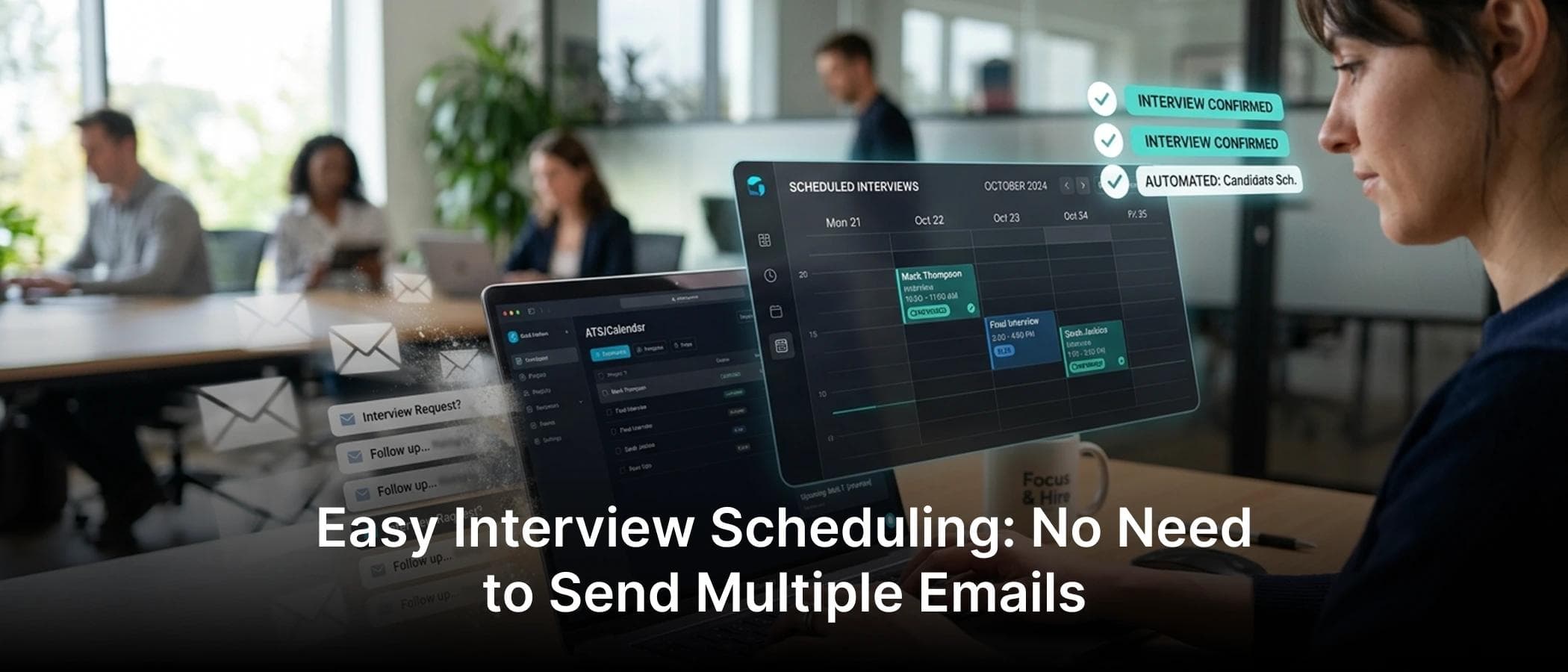
That's it. No more back and forth. Tools that allow self-scheduling let candidates see your actual availability and book a slot that works for them. The interview gets added to both calendars automatically. No confusion, no missed emails, no double bookings.
Platforms like HireTechies are built with exactly this kind of workflow in mind. Recruiters set their available windows, and candidates book directly into those slots without any manual coordination. What used to take days now takes minutes and sometimes seconds. It's one of those small changes that has an outsized impact on how your whole hiring process feels.
How It Helps Candidates Too
We talk a lot about recruiter experience, but let's flip it for a second. Candidates actually love self-scheduling. Think about it. Instead of waiting for a recruiter to come back with options, they get to choose a time that genuinely works for them. Early morning person? They pick 8 am. Can't do Mondays? They skip it. No need to explain themselves or ask for accommodations.
It gives candidates a sense of control over the process, which makes the whole experience feel more respectful of their time. And that matters. How a company treats candidates during hiring is often a preview of how they treat employees later on. Using a platform like HireTechies doesn't just speed things up. It also signals that your team is organised and thoughtful. That's a good first impression to make.
Handling Panels and Multiple Interviewers
One of the trickiest parts of interview scheduling is when more than one person needs to be on the call. You're now syncing three or four calendars at once, and finding an overlap that works for everyone feels like solving a puzzle.
Smart scheduling tools handle this by checking availability across all required interviewers and only showing candidates time slots when everyone is free. No more sending separate emails to each interviewer, collecting their availabilities, and manually finding the overlap. It sounds obvious when you say it out loud. But a lot of companies are still doing it the hard way.
Small Change, Big Difference
Here's the truth. Interview scheduling isn't glamorous. It's not the part of hiring that gets written about in articles about company culture or employer branding. But it affects all of that. A slow, clunky scheduling process loses good candidates. A fast, smooth one keeps them engaged and shows them you respect their time.
Recruiters who switch to automated scheduling consistently say the same thing. They didn't realise how much mental energy they were spending on coordination until they didn't have to anymore.
If you're still sending three emails to set up one interview, it might be worth trying a different way. Tools like Hiretechies make it genuinely easy to set up, and the payoff shows up almost immediately. In time saved, in candidate experience, and in your own sanity. One link. One click. Done.